


C2 Xplore - Face Nerve Monitoring
Advanced Intraoperative Neuromonitoring (IONM) for Precision ENT and Facial Nerve Surgery
Product Overview
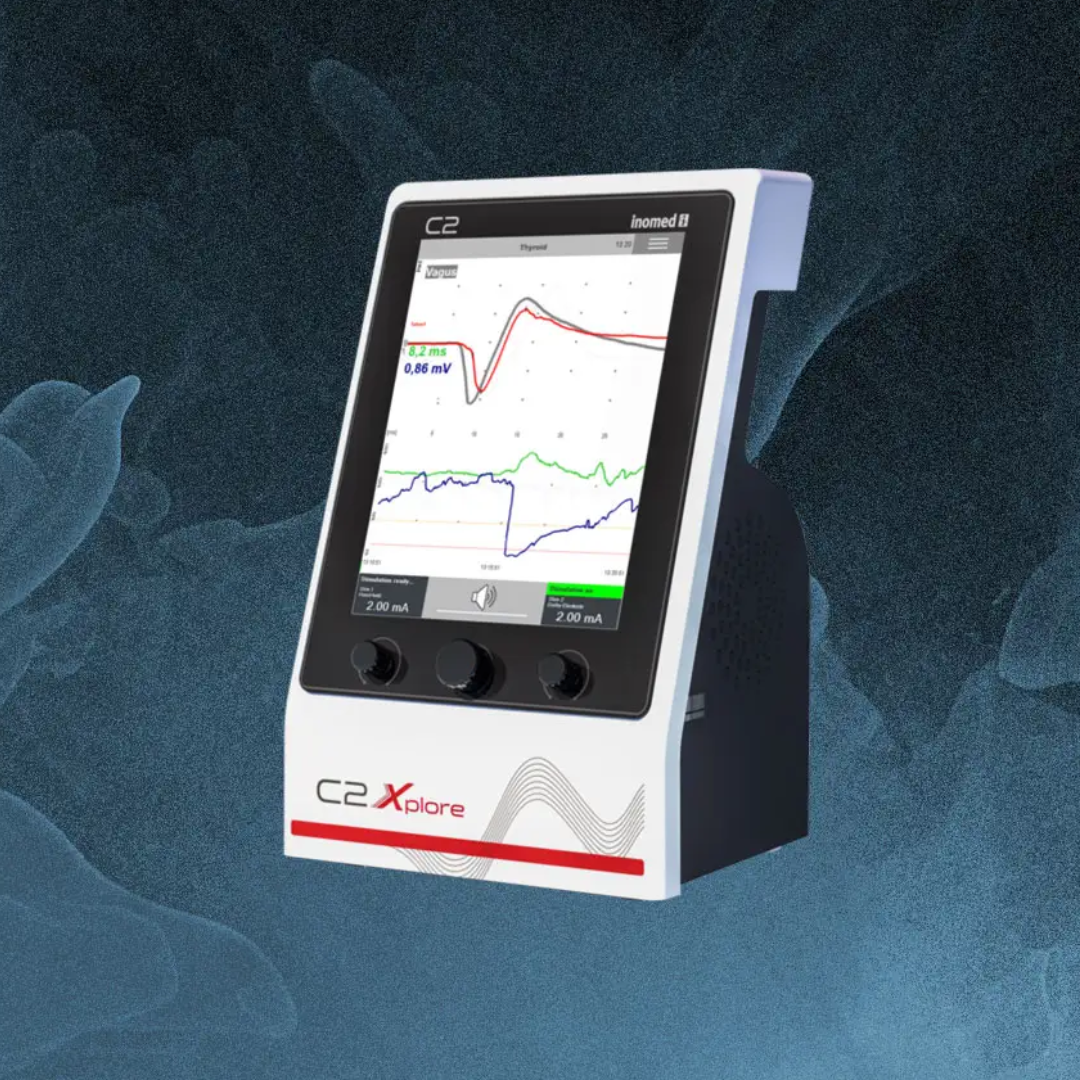
The C2 Xplore is a state-of-the-art intraoperative neuromonitoring system designed to protect facial nerve integrity during complex surgical procedures.
What is Facial Nerve Monitoring?
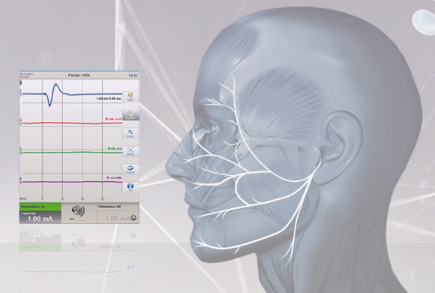
Intraoperative neuromonitoring (IONM) uses real-time electrical stimulation and muscle response recording to help surgeons identify and preserve facial nerve branches during ENT and facial nerve procedures. This significantly reduces the risk of iatrogenic nerve injury and permanent facial dysfunction.
Real-time Monitoring
Live electromyographic (EMG) signals with acoustic and visual feedback from surgical instruments and nerve probes
Precise Localization
Hand-held stimulation probes for accurate identification of individual nerve branches within the parotid gland
Comprehensive Documentation
Automatic recording of spontaneous activity with intuitive annotation for complete surgical records
Hospital Integration
HL7-Ready network communication for seamless synchronization with hospital management systems
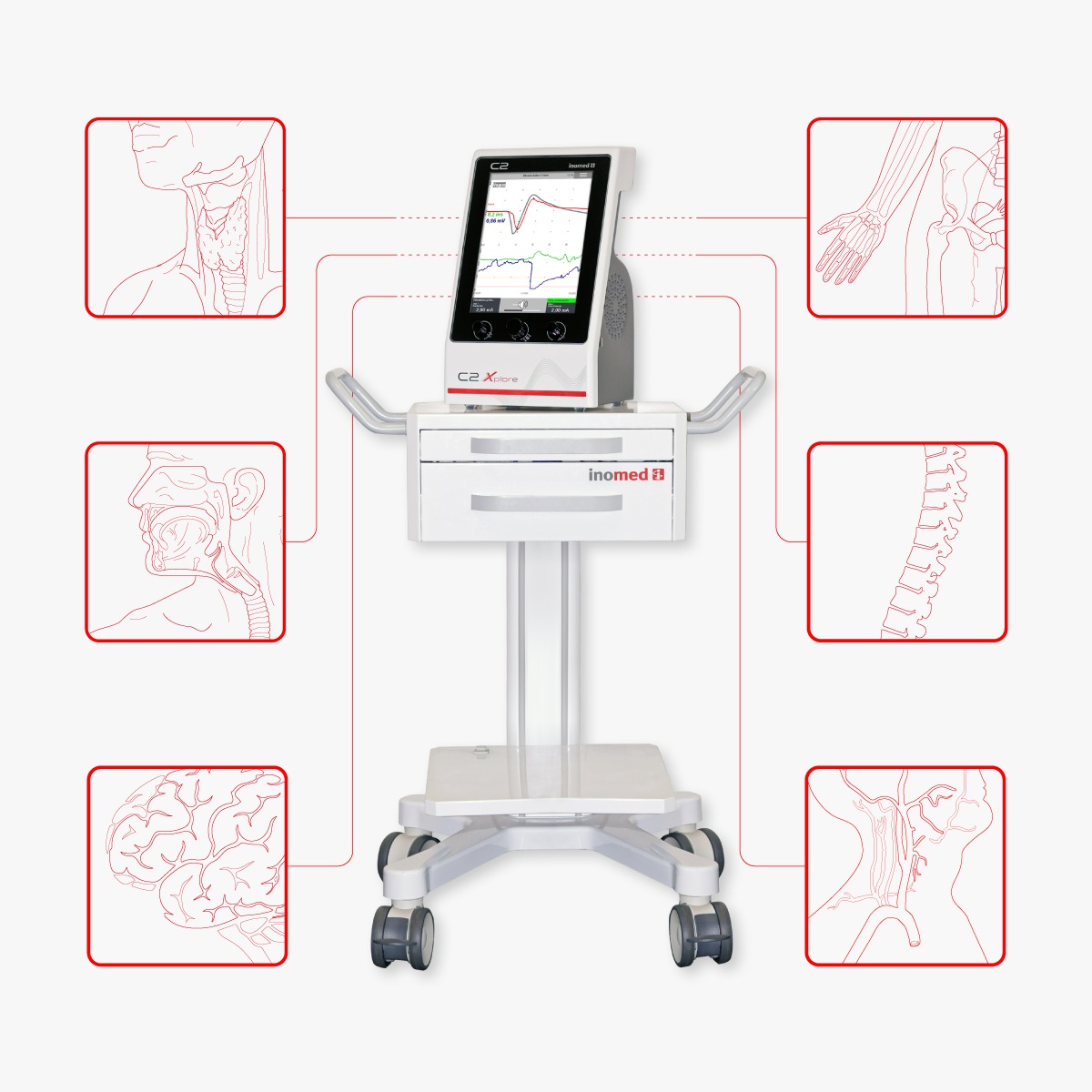
Application Fields in ENT Surgery
Otorhinolaryngological surgery is delicate and complex. The C2 Xplore provides essential neuromonitoring across multiple surgical specialties.
- Parotid Surgery
- Tympanoplasty
- Facial Nerve Surgery
- Mastoidectomy
- ENT Surgery (General)
- Cochlear Implant Insertion
Tympanoplasty & CI Implantation
Where tympanoplasty is performed or a cochlear implant is inserted, the C2 Xplore neuromonitoring system is a useful tool that helps prevent nerve injury during milling near the bony facial canal a critical anatomical landmark in temporal bone surgery.
Mastoidectomy Procedures
During mastoidectomy procedures, neuromonitoring techniques are used to reduce the risk of nerve injury during milling in the vicinity of the bony facial canal, protecting this delicate anatomical structure throughout bone removal.
Relevant application fields
IONM in general surgery
Intraoperative neuromonitoring (IONM) plays an important role in general surgery. It enables surgeons to minimise nerve damage during surgical interventions by monitoring…
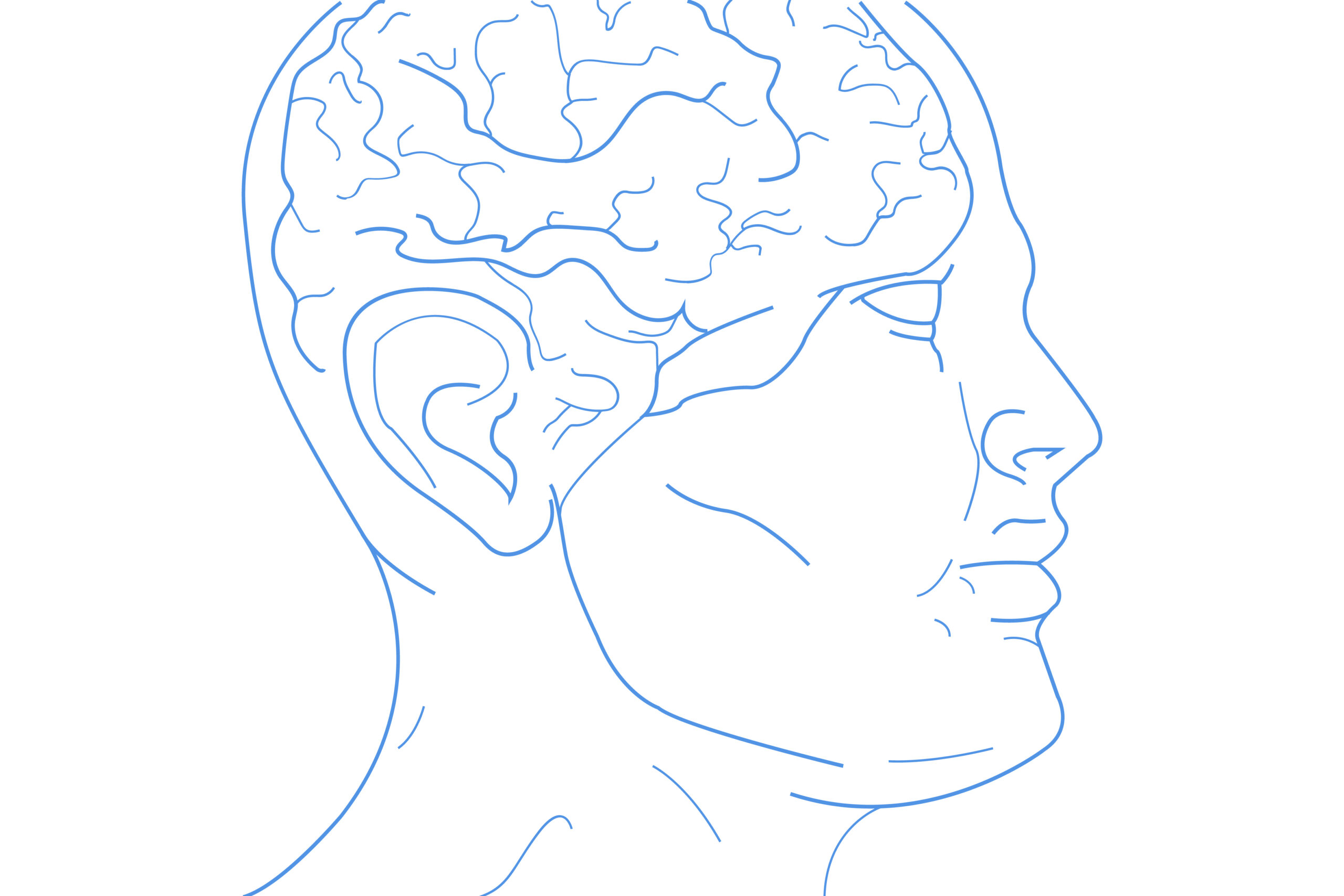
Thyroid surgery
The cutting-edge ALM (Advanced Laryngeal Monitoring) technology combines highly precise signal recording in thyroid surgery with intelligent software to…
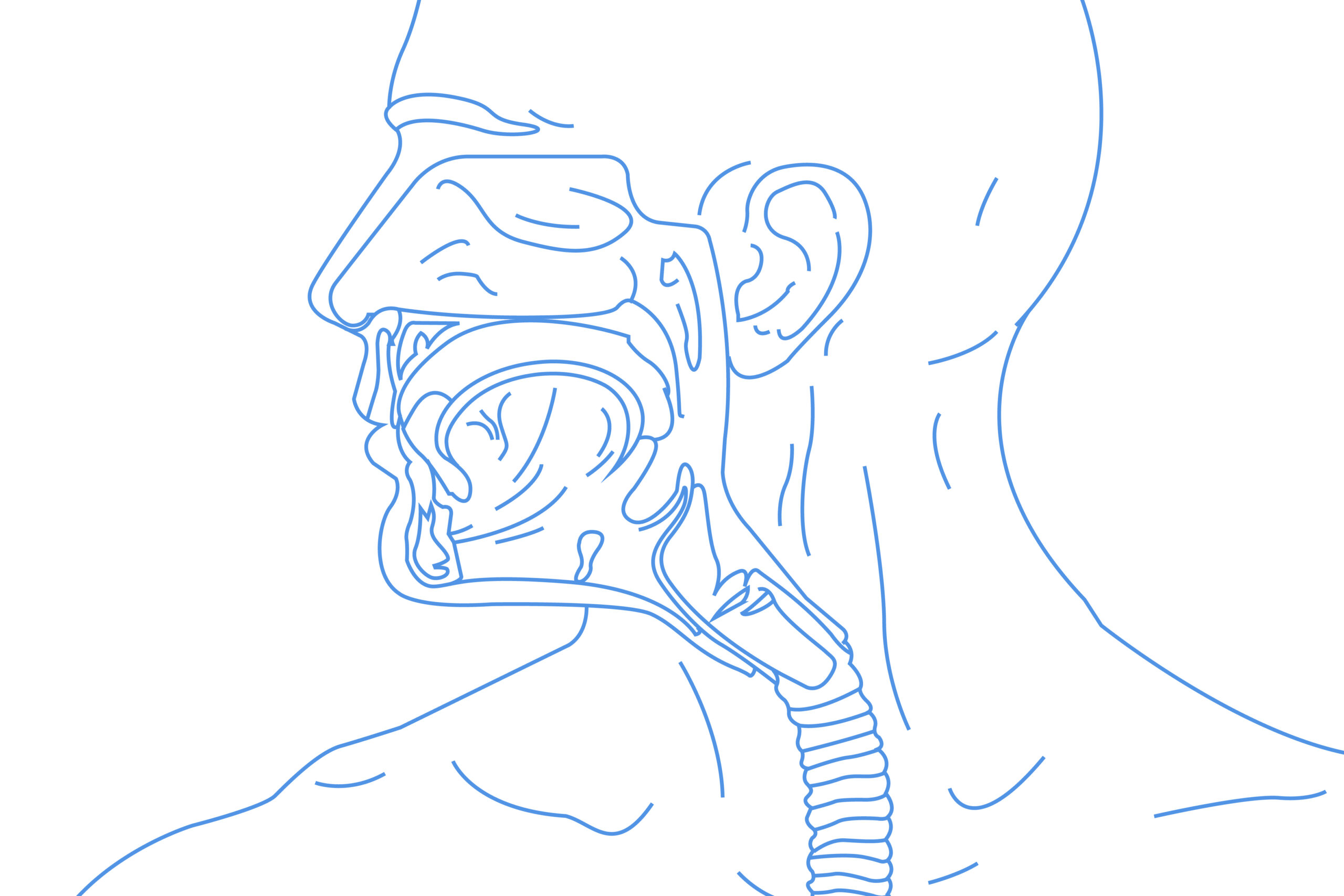
Ear, nose and throat surgery
Ear, nose and throat surgery includes many nerve-sparing procedures, which means that intraoperative neuromonitoring (IONM) plays an important role in protecting…
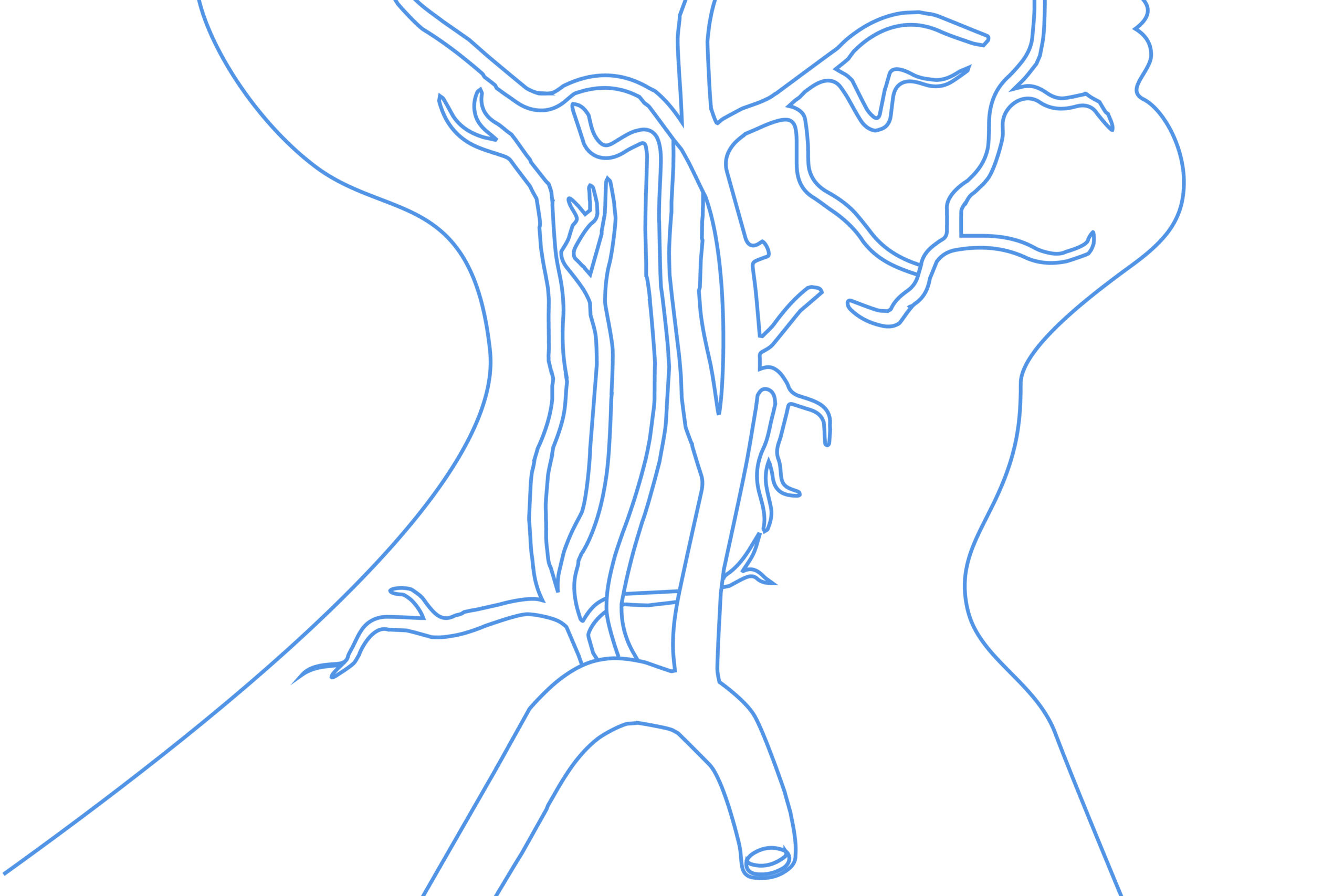
Vascular surgery
Vascular surgery is dedicated to the treatment of various diseases of blood vessels. Intraoperative neuromonitoring plays an important role in this application…
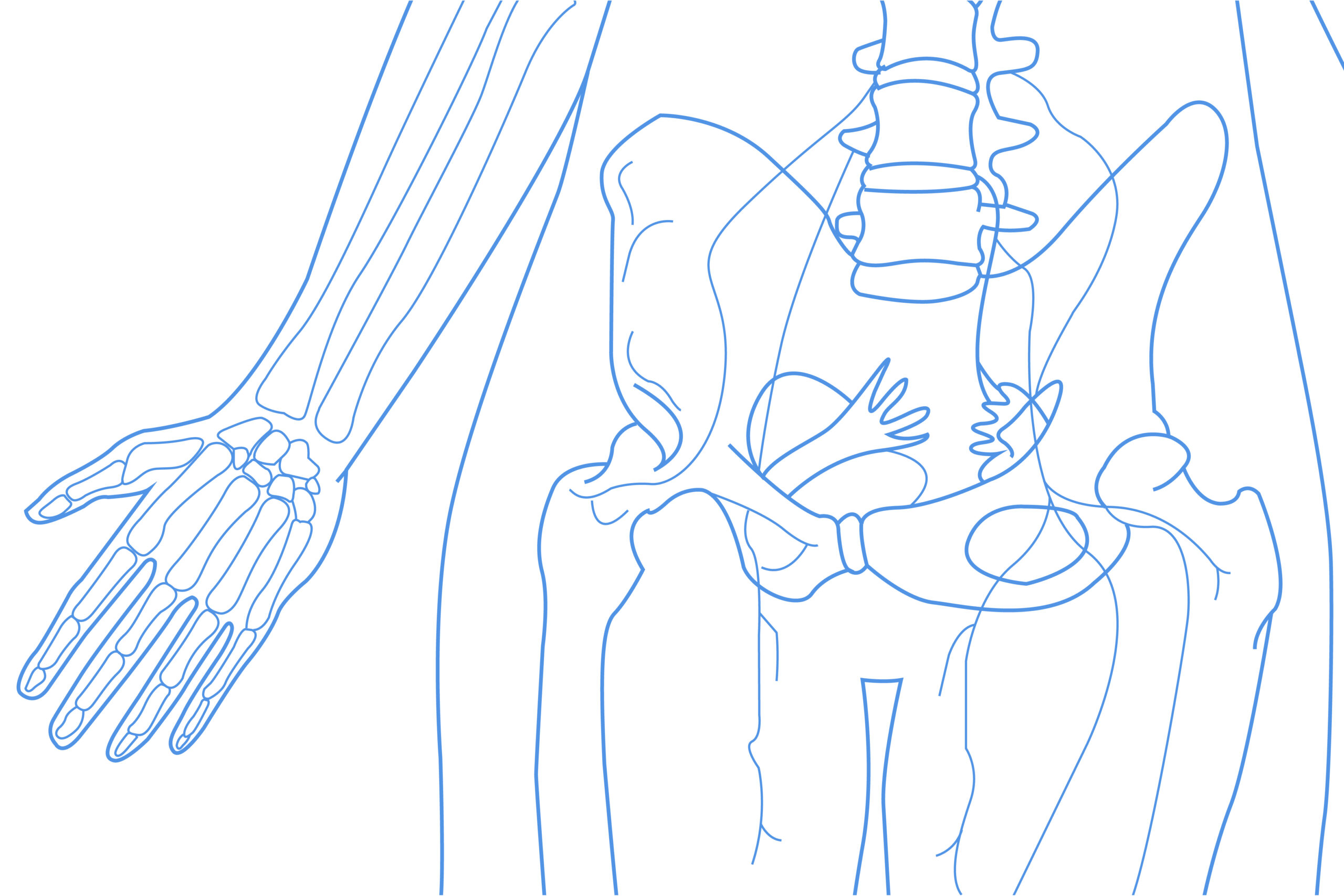
Pelvic intraoperative neuromonitoring
Pelvic intraoperative neuromonitoring enables electrophysiological monitoring of nerve functions during surgical interventions in the…
Neurosurgery
Neurosurgery deals with the detection and surgical treatment of diseases, malformations and injuries of the central and peripheral nervous system. Maintaining…
Spine surgery
Spine surgery is a cross-disciplinary field that encompasses neurosurgical, orthopaedic and trauma surgery aspects. Ideally, all specialist disciplines work together…
Advanced System Features - Intelligent Measurement Mode
- Bipolar & Monopolar Probes: Highly selective bipolar concentric probes (30° angled) for precise localization, with wider field monopolar probes for comprehensive monitoring
- Multi-channel Recording: 2-channel and 4-channel electrode sets for flexible recording configurations
- Stimulation Intensity Control: Adjustable electrical stimulation for optimal nerve response detection
- EMG Amplitude Tracking: Automatic detection of highest amplitude channels with customizable acoustic assignment
Standard Configuration includes:
- 2 integrated stimulation channels
- High-quality loudspeaker
- Foot-switch control
- 220V mains operation
- Touchscreen display
- Data export capability
Channel Identity Technology
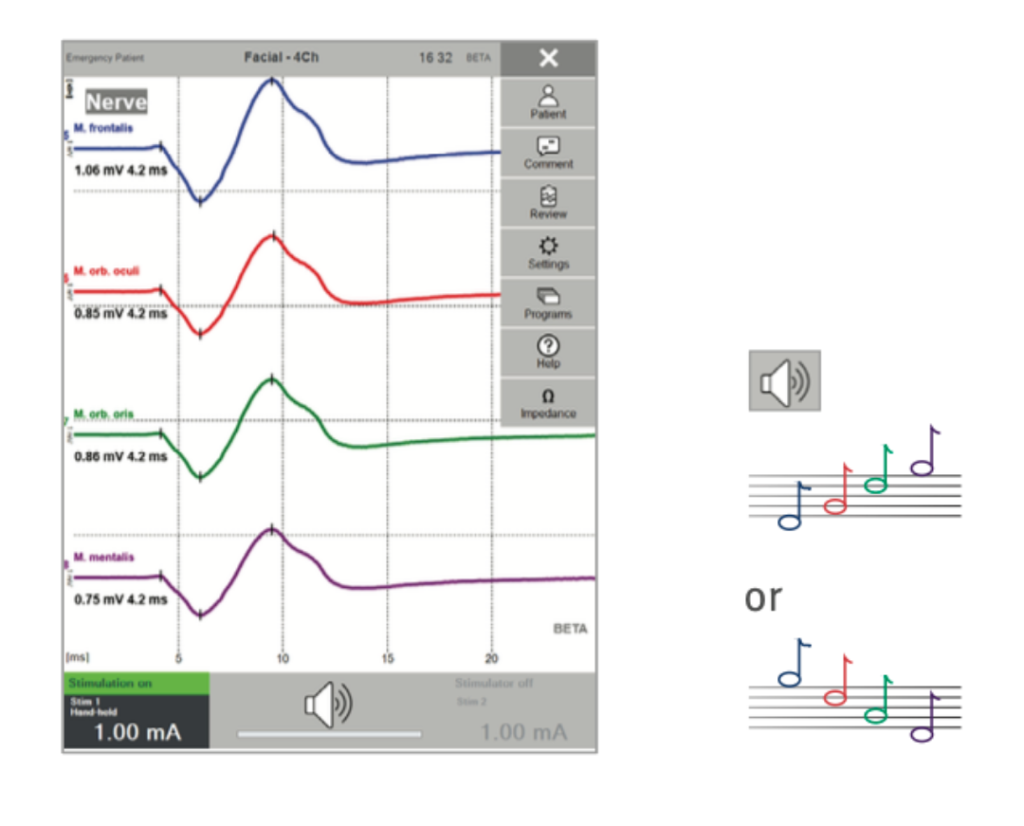
Intuitive channel identification through individual acoustic output mapping. The channel with the highest detected EMG amplitude automatically gives the acoustic signal, providing real-time spatial feedback to surgeons.
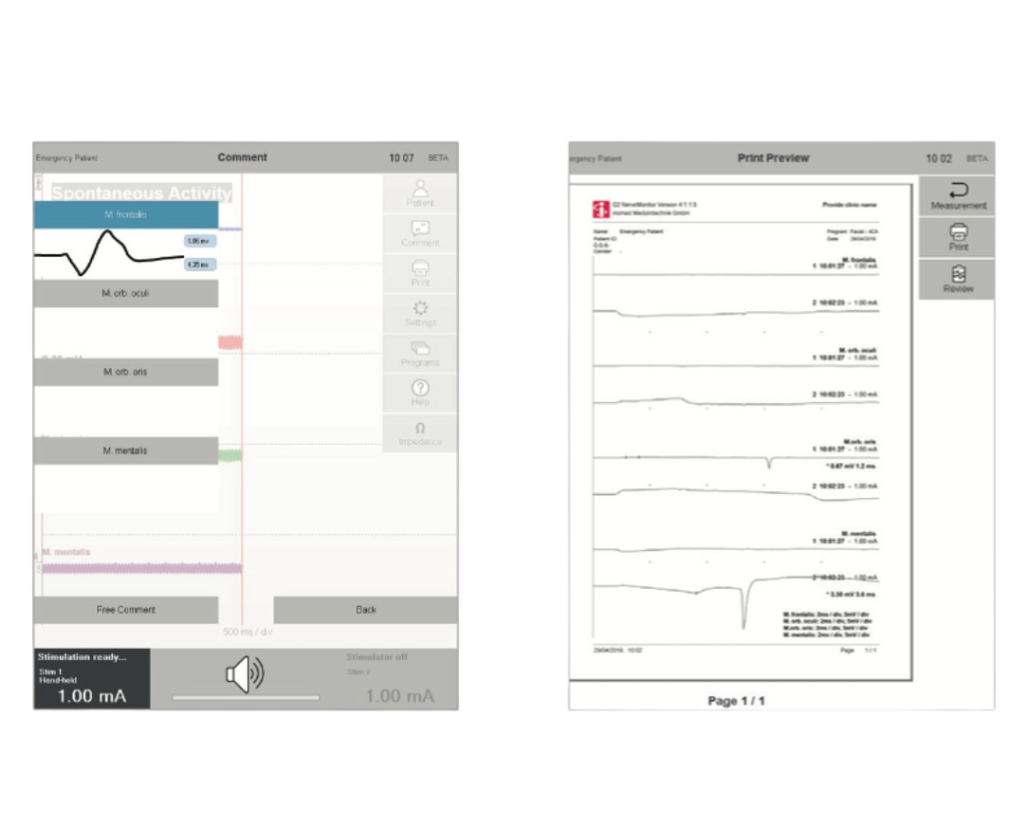
Clinical Documentation
The C2 Xplore automatically records all spontaneous activities and allows intuitive annotation for complete surgical documentation. Review events at any time, even retrospectively, for quality assurance and medico-legal protection.
Clinical Benefits & Safety Advantages - Minimizing Surgical Risks
In parotid surgery, iatrogenic nerve injury can be significantly reduced through continuous monitoring. The facial nerve is at critical risk during delicate procedures, and damage to its branches can result in permanent facial dysfunction.
Neuromonitoring Applications:
- Spontaneous Activity Detection: Immediate auditory and visual alerts when surgical instruments contact nerve branches
- Mechanical Manipulation Monitoring: Real-time feedback during nerve handling
- Individual Branch Localization: Hand-held probes precisely identify and map nerve anatomy
- Function Preservation: Continuous assessment of nerve integrity throughout surgery
Key Outcomes:
-
Reduced Iatrogenic Injury Rate:
Immediate auditory and visual alerts when surgical instruments contact nerve branches -
Preserved Facial Function:
Better post-operative facial nerve function outcomes -
Surgical Confidence:
Surgeons can operate with real-time anatomical feedback -
Legal Protection:
Complete documentation of intraoperative monitoring data
Frequently Asked Questions
Common questions from surgeons, hospitals and distributors about C2 Xplore
What is IONM and why is it important in ENT surgery?
Intraoperative neuromonitoring (IONM) is a real-time monitoring technique that detects nerve activity during surgery. It’s critical in ENT procedures because the facial nerve which controls facial movement runs through surgical areas like the parotid gland. IONM helps surgeons identify and preserve these delicate nerve branches, significantly reducing the risk of permanent facial paralysis or dysfunction.
How does the C2 Xplore detect nerve activity?
The C2 Xplore uses two complementary methods: (1) Spontaneous activity detection EMG electrodes record electrical signals generated when surgical instruments directly contact nerve branches, providing acoustic and visual alerts, and (2) Stimulation testing hand-held bipolar and monopolar probes electrically stimulate nerve branches, and recording electrodes measure the resulting muscle contractions. This dual approach allows surgeons to both locate nerves and assess their function throughout the procedure.
What is the Channel Ident feature?
Channel Ident is an innovative feature that provides intuitive acoustic feedback for each monitoring channel. The system automatically assigns different sounds to different channels based on their EMG amplitude, allowing surgeons to identify which nerve branch is being stimulated purely by listening. The user can customize the sound mapping (high-to-low or low-to-high frequency assignment) for personalized workflow.
Are all probes single-use or reusable?
All stimulation and recording probes (BCS probe, monopolar probe, micro fork probe, and all electrode sets) are single-use and come EO (ethylene oxide) sterilized, ready-to-use for surgical procedures. The mute sensor is the only reusable component and is delivered non-sterile but disinfectable for repeated use.
How does the system integrate with hospital networks?
The C2 Xplore is HL7-Ready, which means it can communicate with hospital management systems using the HL7 (Health Level 7) standard protocol. This enables automatic synchronization of patient data, surgical records, and IONM documentation directly into the hospital’s electronic health record (EHR) system, improving workflow efficiency and data accuracy.
What surgical procedures benefit most from C2 Xplore monitoring?
The C2 Xplore is specifically designed for procedures where facial nerve preservation is critical: parotid gland surgery, facial nerve surgery, tympanoplasty (eardrum repair), mastoidectomy (removal of mastoid bone), and cochlear implant insertion. It’s also valuable in general ENT procedures where nerves are at risk. The system is particularly important in parotid surgery, where the facial nerve’s fan-shaped branching pattern makes it vulnerable to iatrogenic injury.
What training is required to use the C2 Xplore system?
While the C2 Xplore is designed for ease of use with an intuitive interface, proper training is essential. Neuromonitoring technicians and surgical staff should receive training on proper electrode placement, stimulation probe techniques, signal interpretation, and documentation procedures. VCSmed and inomed provide comprehensive training and technical support to ensure optimal system utilization.
How is data documented and stored?
The C2 Xplore automatically records all spontaneous EMG activities and events detected during surgery. The system features an intuitive comment function that allows staff to annotate significant events in real-time. All data can be reviewed, annotated, and exported at any time during or after surgery, providing complete surgical documentation for quality assurance and medico-legal protection. Data can be synchronized with hospital systems via HL7 integration.